

Understanding the Causes of Black Streaks on Roofs in Ohio
- gunnerpw127
- May 18
- 3 min read
Black streaks on roofs are a common sight in Ohio neighborhoods. These dark lines or stains can make a home look older and less cared for, even when the roof is structurally sound. If you’ve noticed these marks on your roof, you might wonder, what causes black streaks on roofs in Ohio? Understanding the reasons behind these stains can help homeowners take the right steps to clean and prevent them.
What Are Black Streaks on Roofs?
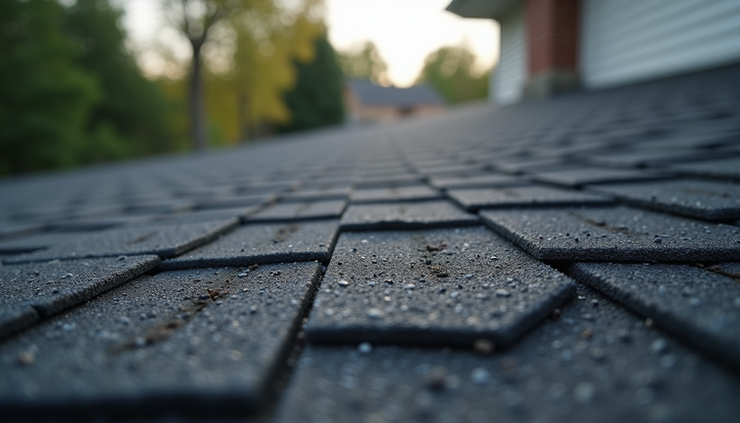
Black streaks are usually dark stains that run down the surface of roofing materials, especially asphalt shingles. They often appear as thin, irregular lines or patches that contrast sharply with the roof’s original color. These streaks are not just cosmetic issues; they can indicate the presence of biological growth or environmental factors affecting your roof.
Main Causes of Black Streaks on Roofs in Ohio
1. Algae Growth
The most common cause of black streaks on roofs in Ohio is algae, specifically a type called Gloeocapsa magma. This algae thrives in humid and shaded environments, which are common in Ohio’s climate. The algae feed on the limestone filler used in asphalt shingles, causing the dark stains.
Algae spores spread through wind and rain.
Shaded areas of the roof, such as those blocked by trees, are more prone.
The algae can survive through cold winters and return each year.
2. Moisture and Humidity
Ohio’s climate includes humid summers and frequent rainfall, creating ideal conditions for moisture to linger on roofs. Moisture encourages the growth of algae, moss, and mold, all of which can cause discoloration.
Poor roof ventilation traps moisture.
Roofs with debris buildup hold water longer.
Areas with limited sunlight dry slower, increasing moisture retention.
3. Airborne Pollutants and Dirt
Pollutants from vehicles, factories, and other sources settle on roofs over time. These particles mix with moisture and organic matter, creating a surface where algae and mold can grow more easily.
Urban and industrial areas see more buildup.
Dirt and dust provide nutrients for biological growth.
Pollutants can cause staining even without algae.
4. Roof Material and Age
Older roofs or those made with certain materials are more likely to develop black streaks. Asphalt shingles with limestone filler are especially vulnerable. Over time, the protective granules wear off, exposing the surface to algae and dirt.
Aging shingles lose granules that resist algae.
Some roofing materials are more porous.
Roofs with damaged or missing shingles allow moisture in.
How to Identify Black Streaks Caused by Algae
Knowing the cause helps in choosing the right cleaning method. Algae-related streaks usually:
Appear as thin black or dark green lines.
Are more common on the north and west sides of roofs.
Can sometimes be wiped off with a wet cloth (though professional cleaning is recommended).
Moss and mold, by contrast, tend to be thicker and fuzzy or patchy.
Preventing Black Streaks on Your Ohio Roof
Prevention is easier and cheaper than frequent cleaning or roof replacement. Here are practical steps homeowners can take:
Trim Overhanging Trees: Reducing shade allows sunlight to dry the roof faster.
Improve Roof Ventilation: Proper airflow lowers moisture buildup.
Clean Gutters Regularly: Prevents water backup and debris accumulation.
Install Zinc or Copper Strips: These metals release ions that inhibit algae growth when rainwater washes over them.
Schedule Professional Roof Cleaning: Pressure washing or soft washing can remove algae safely without damaging shingles.

When to Call a Professional
If black streaks cover large areas or return quickly after cleaning, it’s best to contact a professional pressure washing service. They have the right equipment and cleaning solutions to remove algae without harming your roof. Professionals can also inspect for underlying issues like poor ventilation or damaged shingles.
Why Addressing Black Streaks Matters
Ignoring black streaks can lead to:
Reduced curb appeal and lower property value.
Accelerated roof wear due to algae feeding on shingle materials.
Potential water damage if moss or mold grows thick enough to trap moisture.
Taking action helps maintain your roof’s appearance and longevity.


Comments