

Soft Wash vs Pressure Wash Which Method Is Best for Your Home Exterior
Keeping your home exterior clean is essential for maintaining curb appeal and protecting your investment. When it comes to exterior cleaning, two popular methods stand out: soft washing and pressure washing. Choosing the right technique depends on your home's materials, the type of dirt or stains, and the level of care needed. This post breaks down the differences between soft wash and pressure wash, helping you decide which method suits your home best.

What Is Soft Washing?
Soft washing uses low-pressure water combined with specialized cleaning solutions to remove dirt, mold, algae, and mildew from surfaces. Instead of relying on force, it depends on the cleaning agents to break down grime and kill organic growth. This method is gentle and safe for delicate surfaces.
When to Use Soft Washing
Soft washing works best on surfaces that can be damaged by high pressure, such as:
Roof shingles (especially asphalt or cedar)
Painted wood siding
Stucco and EIFS (Exterior Insulation and Finish Systems)
Vinyl siding
Screens and window seals
Soft washing is ideal for removing biological stains like algae, moss, and mildew, which can cause long-term damage if left untreated. The cleaning solutions used often contain bleach or other agents that kill spores, preventing quick regrowth.
Benefits of Soft Washing
Protects delicate surfaces from damage caused by high-pressure water
Kills mold and algae at the root for longer-lasting results
Improves curb appeal without risking paint or material erosion
Uses less water compared to pressure washing
What Is Pressure Washing?
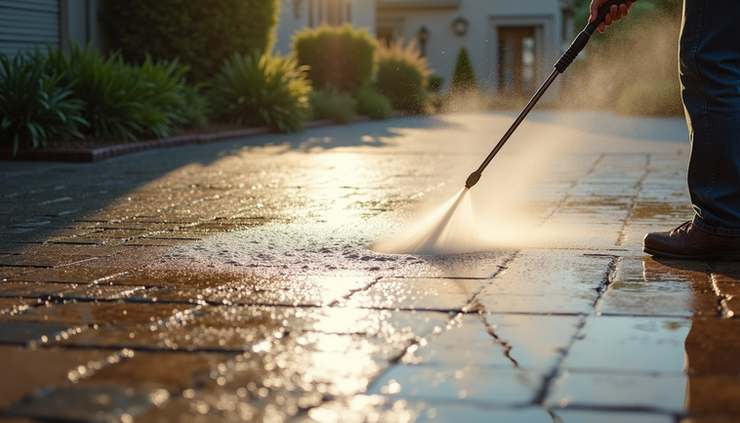
Pressure washing uses high-pressure water spray to blast away dirt, grime, and stains. It is a mechanical cleaning method that relies on force rather than chemicals. Pressure washers can vary in pressure levels, typically measured in PSI (pounds per square inch).
When to Use Pressure Washing
Pressure washing is effective on hard, durable surfaces that can withstand strong water jets, such as:
Concrete driveways and sidewalks
Brick and stone walls
Decks made of hardwood or composite materials
Metal surfaces like gutters and fences
Pressure washing quickly removes tough stains like oil, grease, dirt buildup, and paint chipping. It is also useful for preparing surfaces before repainting or sealing.
Benefits of Pressure Washing
Removes tough stains and buildup quickly and efficiently
Prepares surfaces for painting or sealing
Restores the look of hard surfaces like concrete and brick
No chemicals needed for many cleaning tasks
Key Differences Between Soft Wash and Pressure Wash
| Feature | Soft Wash | Pressure Wash |
|------------------------|--------------------------------------|------------------------------------|
| Water Pressure | Low (usually under 500 PSI) | High (1,300 to 3,000 PSI or more) |
| Cleaning Method | Chemical cleaning + gentle water | Mechanical force from water spray |
| Best For | Delicate surfaces, biological stains | Hard surfaces, tough stains |
| Risk of Damage | Low | Higher if not done carefully |
| Effectiveness on Mold | Kills mold and prevents regrowth | Removes mold but may not kill spores|
| Water Usage | Lower | Higher |
How to Choose the Right Method for Your Home
Choosing between soft wash and pressure wash depends on several factors:
Surface Material
Use soft washing for roofs, painted wood, vinyl siding, and stucco.
Use pressure washing for concrete, brick, stone, and metal.
Type of Dirt or Stain
Soft wash is better for mold, algae, and mildew.
Pressure wash is better for oil stains, dirt buildup, and paint removal.
Condition of the Surface
Older or fragile surfaces benefit from soft washing to avoid damage.
Strong, durable surfaces can handle pressure washing.
Environmental Considerations
Soft washing uses chemicals, so it’s important to use eco-friendly solutions and avoid runoff into gardens or water sources. Pressure washing uses more water but often no chemicals.
Tips for Safe and Effective Cleaning
Hire professionals who understand the right pressure levels and cleaning agents.
Test a small area first to check for damage or discoloration.
Protect plants and outdoor furniture from cleaning solutions.
Schedule regular cleanings to prevent buildup and damage.
Final Thoughts on Soft Wash vs Pressure Wash
Both soft washing and pressure washing have their place in home exterior maintenance. Soft washing offers a gentle, chemical-based approach that protects delicate surfaces and kills mold at the source. Pressure washing provides a powerful, chemical-free way to remove tough stains from hard surfaces.
For most homes, a combination of both methods might be necessary depending on the area being cleaned. Consulting with a professional cleaning service can help you choose the best approach for your specific needs.
Maintaining your home exterior with the right cleaning method not only improves appearance but also extends the life of your materials. Take the time to evaluate your home’s surfaces and dirt types to make an informed decision that keeps your home looking its best.


Comments